Turn Admissions into Lasting Experiences with the Best CRM for Educational Institutions
Last updated on September 29, 2025
Published on September 29, 2025
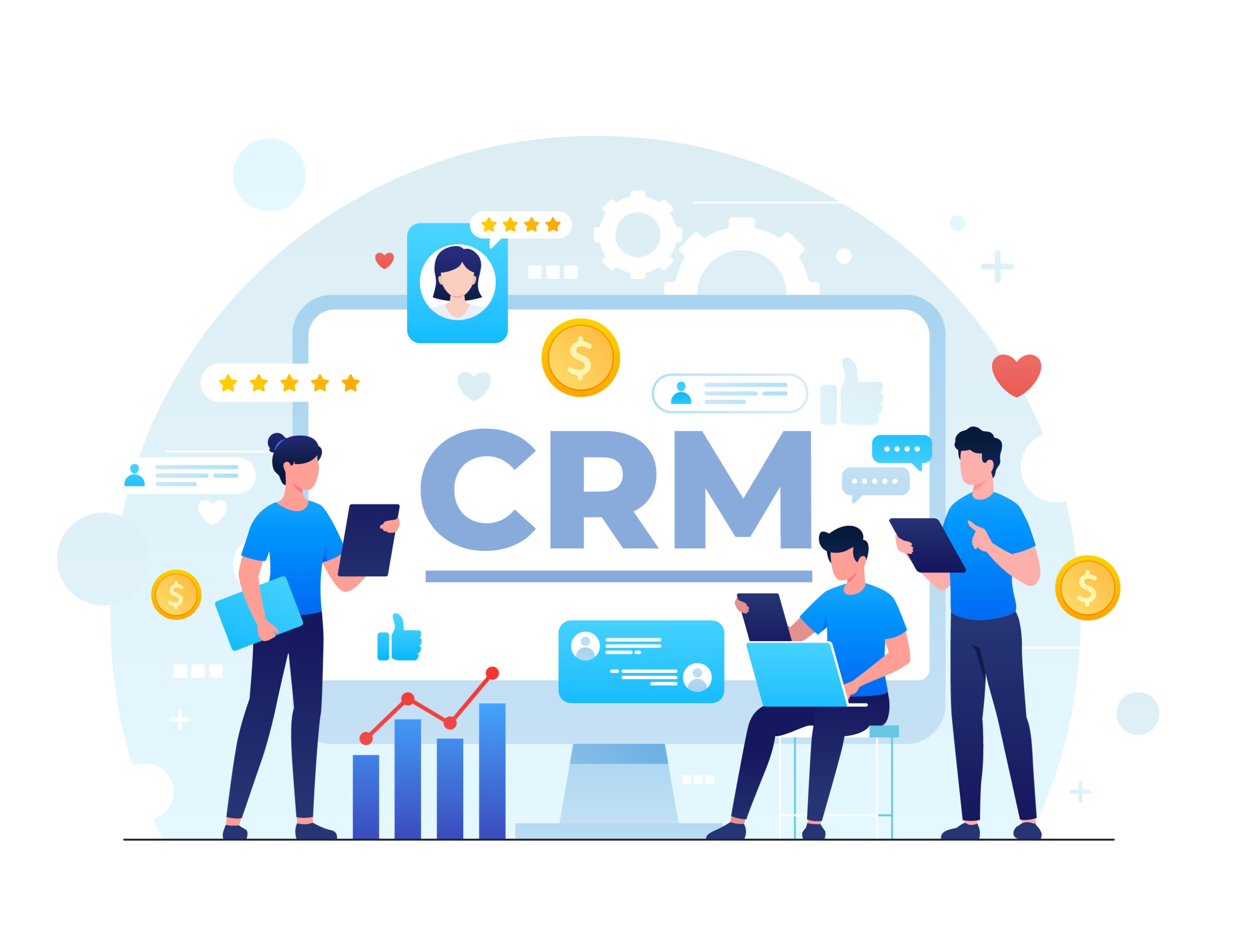
Universities and colleges receive dozens of student enquiries every day. Some are converted into applications, a few are ignored and as a result, many are lost in the shuffle. Managing these processes manually can be a tedious task, which eventually turns out to be a missed opportunity to connect with students and showcase the value of your institution.
This is where the best CRM for educational institutions steps in. Higher education CRM software is a tool for managing data and is designed to transform admissions into something more like a personalised experience. Its working also includes tracking enquiries and following up with students through their enrolment journey.
In today’s competitive education landscape, just responding to queries doesn’t cut it. Eventually, it all comes down to engaging students meaningfully and building trust so that they feel like choosing your institution.
Why Universities Can’t Afford to Rely on Spreadsheets Anymore
Admissions teams still using spreadsheets often end up chasing numbers instead of people. While the data is there, it lacks the context of the student’s journey. Did they attend your webinar? Have they spoken to a counsellor? Were they waiting on a scholarship update? These are touchpoints that get lost when the system isn’t designed for them.
The best CRM for educational institutions ensures these details stay connected. It doesn’t just record an inquiry, but also builds a timeline. It starts from the first interaction until final enrolment, where every step is mapped. It gives admissions teams the clarity they need to respond at the right time with the right information.
Higher Education CRM Software: More Than Just a Database
It’s easy to mistake a CRM for another storage system, but that’s selling it short. Higher education CRM software builds a connection between students and institutions. Instead of just pouring information into hundreds of files, it helps shape conversations with students.
Think of it as a central nervous system. Every query, email or application gets fed into one place. And from there, counselors can track responses, trigger reminders and maintain communication without messing up anything. The result? Students feel guided rather than left waiting.
Personalised Strategy: The New Admissions Tactic
Students today don’t prefer comparing institutions based just on their rankings or brochures, but also consider how they get treated during the admission process. A delayed email or generic response is a clear sign for them to skip and choose the one that does pay attention to them.
The best CRM for educational institutions understands this. Segmenting students based on their preferences allows universities to cater each student according to their needs. A student interested in engineering receives the details of the labs and faculty, while the one who’s into liberal arts gets the cultural and creative aspects. Personalisation makes students feel valued and that feeling influences decisions.
The Next Steps After Admissions: Building Relationships That Last
Admissions are merely a beginning. Once a student enrols, their expectations start with the first orientation. Higher education CRM software continues to play a role by tracking engagement throughout the student lifecycle. With proper academic support and alumni networks, it ensures that no student is left behind.
For universities, this only means getting better retention rates. On the other hand, for students, it means being part of an institution that listens, responds and supports their growth.
Features That Set the Best CRM for Educational Institutions Apart
Every CRM is created differently for various purposes in mind. Some are specifically built for education and automatically stand out because of all the features they offer-
- Lead management: Capture enquiries from every channel and store them centrally
- Automated follow-ups: Ensure no prospective student feels ignored
- Application tracking: Monitor every step from interest to enrolment
- Communication tools: Send personalised emails, texts or reminders at scale
- Analytics and reporting: Spot trends in student behaviour and refine your strategy
These aren’t just technical functions. They are the tools that help admissions teams spend less time on other tasks and more time on building a connection with students.
From Missed Calls to Meaningful Connections
Every missed enquiry is a missed chance. Every delayed response is a signal to a student that they may not be a priority. With higher education CRM software, universities can flip this script. Instead of running after admissions, they can attract them.
The best CRM for educational institutions effectively manages all the tasks and transforms admissions into a guided journey where students feel valued.
Why Headstart Is the Best CRM Universities Have Been Looking For
In the end, the selection of the best CRM for educational institutions comes down to finding a system that understands how universities work and functions according to it. And that’s where Headstart proves its purpose. Unlike generic CRMs that stretch to fit education, Headstart is built for it from the ground up.
Features That Set Headstart Apart-
- Smooth Migration
- Seamless Integration
- Unlimited Growth
- Dedicated Support
- Education-First Features
Move from old systems without losing any student data or history.
Easily connects with your portals and payment systems.
No lead restrictions, no automation limits. You can scale as your admissions grow.
Get real help, not just tickets lost in a queue.
Track the full student journey, from enquiry to enrolment, with dashboards and analytics designed for higher education.
At the end of the day, a CRM should do more than just manage leads. Headstart CRM turns admissions into meaningful experiences by helping universities connect, respond and engage without getting messed up with manual work. With Headstart, you’re not just adopting another tool, but also are equipping your institution with a partner that simplifies admissions and strengthens student relationships from day one.
Final Words
The higher education domain is more competitive than ever and students expect experiences that start the moment they show interest and they decide based on how they are treated throughout the journey.
That’s why investing in the best CRM for educational institutions is the optimal strategic choice. With the right CRM software on your side, you can replace all the uncertainty with clarity and can turn the missed opportunities into meaningful connections.
FAQs
Which is best CRM for educational institutions?
The best CRM for educational institutions is one that helps manage enquiries, track applications and personalise communication with students.
How crm software helps in higher education?
CRM software helps higher education by organising student data, automating timely check-ins and making sure no lead gets missed. It also improves communication so that students feel more engaged during their admissions journey.
What after using CRM for admissions, does it help later too?
Yes, CRM doesn’t stop after admissions. It can be used for student engagement, retention, alumni relations and even further with career services. That’s why universities see it more as an investment and not just an admissions tool.